Natural Gas Price Increase in India: A 4% Surge Effective from April 1
Natural Gas Price Increase in India: A 4% Surge Effective from April 1
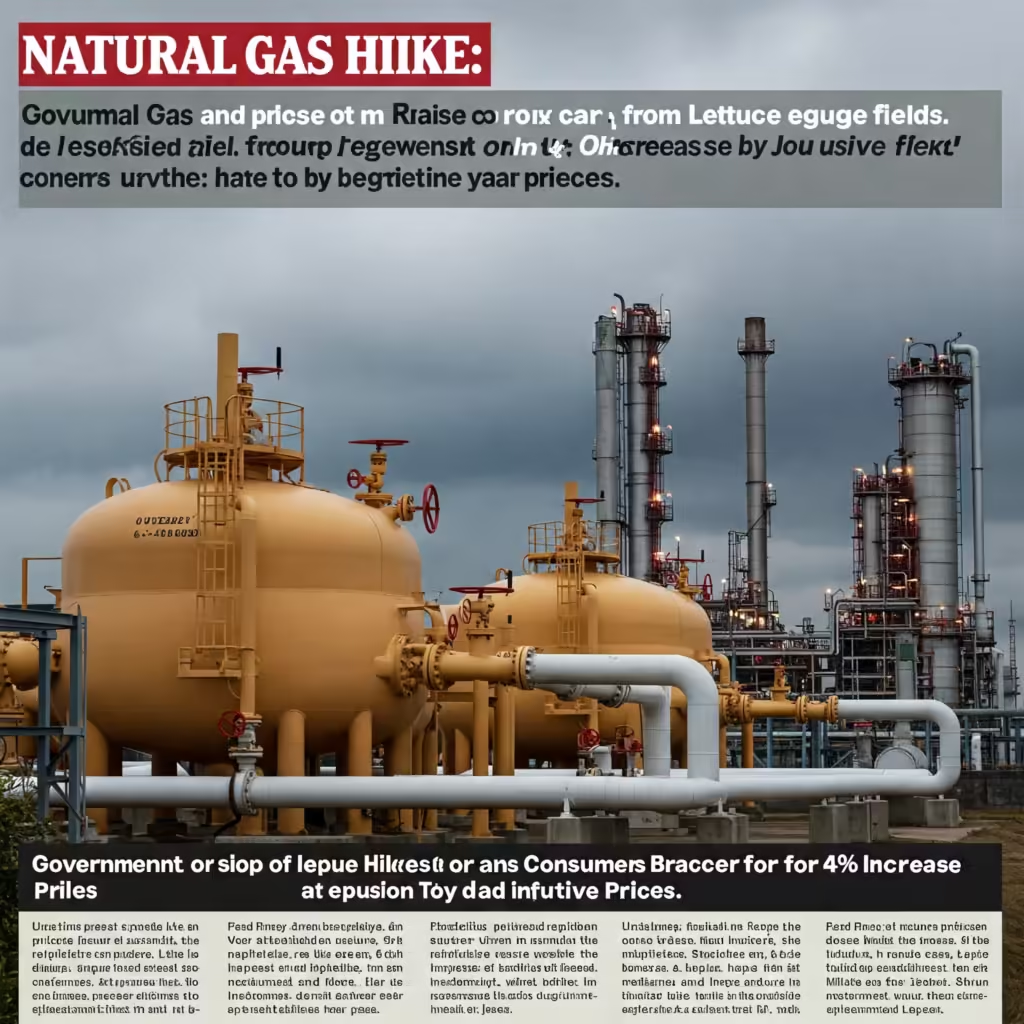
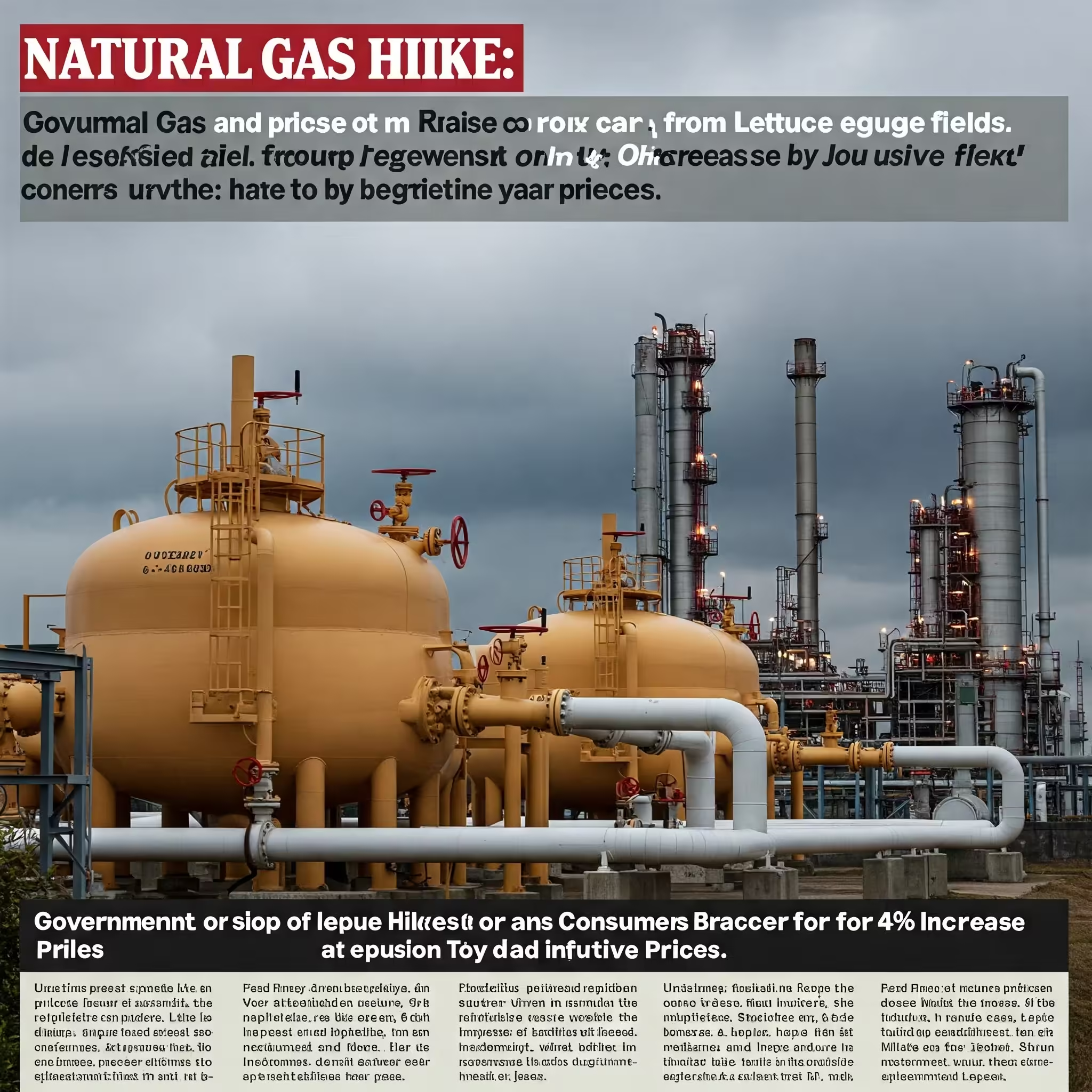
India’s energy sector has witnessed a significant shift as the government has raised the price cap on natural gas from legacy fields, marking a 4% increase in the effective prices of natural gas from April 1, 2025. This adjustment is expected to have a far-reaching impact on industries, consumers, and the overall economy. The decision to revise the price cap comes amid rising global energy costs and the government’s ongoing push to meet the country’s energy demands while balancing domestic growth.
The Price Increase Explained
1. What’s Changing?
Starting April 1, 2025, the price cap for natural gas extracted from legacy fields, such as those owned by state-run ONGC and Oil India Ltd., will be increased. The new cap, announced by the Ministry of Petroleum and Natural Gas, marks a 4% hike in the price of natural gas. This increase in price will affect several sectors, including industrial users, city gas distributors, and fertilizers.
The hike is a reflection of the ongoing global energy price volatility, which has been influencing the Indian market. For context, legacy fields refer to natural gas production from older fields, which still remain a significant source of natural gas in India, even as newer fields are developed.
2. Why the Increase?
The primary reason behind this price increase is to better align domestic prices with international natural gas prices, which have been rising over the past few months. Global supply chain disruptions, geopolitical tensions, and inflationary pressures have all played a role in driving the price of natural gas upwards.
India is also increasingly relying on imports of liquefied natural gas (LNG) to meet its energy demands, which makes it vulnerable to global price fluctuations. While the government aims to keep domestic energy prices affordable, this price increase is seen as necessary to ensure a steady supply of gas in the long term.
Impact on Different Sectors
1. Fertilizer Industry
The rise in natural gas prices will have a significant impact on the fertilizer industry. Natural gas is a critical raw material in the production of fertilizers, especially urea. The increase in gas prices will likely lead to a rise in production costs for fertilizer companies, which may, in turn, drive up the prices of urea and other fertilizer products. However, the Indian government has announced that it will continue to provide subsidies to the fertilizer sector to cushion the blow.
“The government will continue to support the fertilizer sector through subsidies, which should help in preventing a significant increase in fertilizer prices,” said an official from the Ministry of Chemicals and Fertilizers.
2. City Gas Distribution (CGD) Sector
City Gas Distribution companies that supply natural gas for domestic cooking and vehicle fuel will also face challenges. The price increase could result in higher costs for consumers, particularly in urban areas where natural gas is used for cooking. However, experts believe that the increase in prices will be gradual, and the government will likely intervene if there’s any drastic impact on domestic consumers.
3. Industrial and Power Sectors
The industrial sector, which uses natural gas for various manufacturing processes, will also feel the effects of the price increase. In particular, industries such as chemicals, steel, and textiles, which are highly dependent on natural gas for energy, will face higher production costs. The power generation sector could also be affected, as many power plants use natural gas for electricity generation. As the cost of fuel rises, there may be a trickle-down effect, raising electricity prices for consumers.
Government’s Support Measures
Despite the price hike, the government has announced several measures to cushion the impact on critical sectors and consumers. The most notable of these is the continuation of subsidies for the fertilizer sector. By subsidizing natural gas for fertilizer production, the government aims to keep fertilizer prices stable, especially for farmers.
Additionally, the government has assured that it will closely monitor the impact on consumers, particularly those using natural gas for cooking. There are discussions about introducing targeted subsidies to ensure that the price increase does not unduly affect low-income households.
A Look at Global Gas Prices
The increase in domestic natural gas prices aligns with a broader global trend of rising energy prices. The global natural gas market has experienced volatility in recent years due to factors such as the war in Ukraine, sanctions on Russia, and shifting supply and demand dynamics in key natural gas-producing regions.
As global prices continue to rise, countries like India are being forced to adjust their domestic prices to avoid supply shortages. This increase is in line with the Indian government’s earlier decision to allow natural gas prices to be linked to international market prices, ensuring that domestic suppliers remain competitive in the global market.
Industry Reactions
1. Industry Experts’ Views
Industry experts have mixed reactions to the government’s decision. On the one hand, many agree that the price increase was necessary to maintain the supply of natural gas in India. The government’s ongoing subsidies for fertilizers and other key sectors are seen as a positive step in mitigating the impact on consumers.
On the other hand, there is concern that the increase in prices will put additional pressure on industries already struggling with high operational costs due to global inflation.
“While the government’s subsidies will provide some relief, industries may face more significant challenges in the long term if global energy prices continue to rise,” said an expert from the Indian Industry Chamber.
2. Impact on Consumers
For everyday consumers, the price hike is likely to be felt most acutely in urban areas where natural gas is commonly used for cooking and transportation. The increase in prices could potentially lead to higher household expenses. However, the government’s plan to provide targeted subsidies is expected to ease the burden on low-income groups.
Conclusion
The natural gas price increase, effective from April 1, 2025, marks a new chapter in India’s energy sector. While it reflects global market realities, the government’s efforts to mitigate the impact on critical sectors, such as fertilizers and domestic consumers, are a step in the right direction. As India continues to navigate the challenges of a volatile energy market, these changes are likely to become more frequent, urging industries and consumers to adapt to the evolving energy landscape.
The coming months will reveal the full impact of this price change, and it remains to be seen whether further adjustments will be made. For now, the government’s balancing act between supporting growth and ensuring affordable energy will continue to shape India’s energy policies.










Post Comment