Fragile Ceasefire Holds as U.S.–Iran Talks Begin Amid Rising Tensions in West Asia
Fragile Ceasefire Holds as U.S.–Iran Talks Begin Amid Rising Tensions in West Asia
Direct Talks Offer Hope, but Distrust Runs Deep
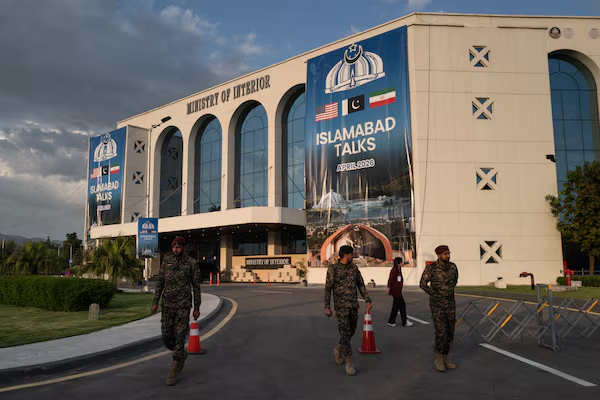
A fragile ceasefire between Iran, United States, and Israel continues to hold as of April 11, 2026, even as tensions remain high across West Asia. In a significant diplomatic development, U.S. and Iranian officials have initiated direct talks in Islamabad, marking a rare moment of engagement after weeks of intense conflict.
The discussions aim to convert the current temporary truce into a lasting peace agreement. However, deep mistrust between the two sides and unresolved strategic disagreements threaten to derail progress.
Strait of Hormuz Emerges as Key Flashpoint
At the center of the crisis lies the strategically vital Strait of Hormuz, a crucial route for global oil shipments. During the conflict, Iran reportedly blocked or mined parts of the strait, disrupting international trade.
In response, the United States has begun operations to clear the waterway, with American naval vessels entering the strait for the first time since hostilities began. Iran has warned that any further U.S. military presence could provoke retaliation, raising fears of a renewed escalation.
Ceasefire Remains Partial as Regional Strikes Continue
Despite the ceasefire agreement, violence has not completely subsided. Israeli military operations in Lebanon, particularly targeting Hezbollah positions, are ongoing. Iran has insisted that any comprehensive peace deal must address these actions, adding another layer of complexity to negotiations.
This continued military activity highlights the limited scope of the ceasefire, which has yet to fully halt hostilities across all fronts.
Major Sticking Points in Negotiations
Several critical issues continue to divide the negotiating parties:
- Iran is demanding compensation for war damages and greater control over regional waterways.
- The United States is pushing for unrestricted maritime navigation and stricter limits on Iran’s nuclear program.
- Disagreements also persist over Israel’s role and ongoing operations in neighboring regions.
These competing demands underscore the difficulty of reaching a mutually acceptable agreement.
Global Implications and Uncertain Path Ahead
The conflict has already had far-reaching consequences, including disruptions to global oil supplies and heightened geopolitical instability. While the ceasefire offers a temporary pause in fighting, the situation remains highly volatile.
Any miscalculation—particularly in sensitive areas like the Strait of Hormuz—could quickly reignite full-scale conflict.
Conclusion
As diplomatic efforts continue, the region stands at a critical juncture. The ceasefire provides a narrow window for peace, but without meaningful compromise, the risk of renewed war remains dangerously high.







Post Comment